
Species reference sheet / enquiry only
Schinus terebinthifoliaBrazilian Pepper Tree
This is a technical reference for project discussion, not an online product. Availability, pricing, origin and export readiness are confirmed only after Ornatec reviews destination, quantity, size range and timing.
Species overview
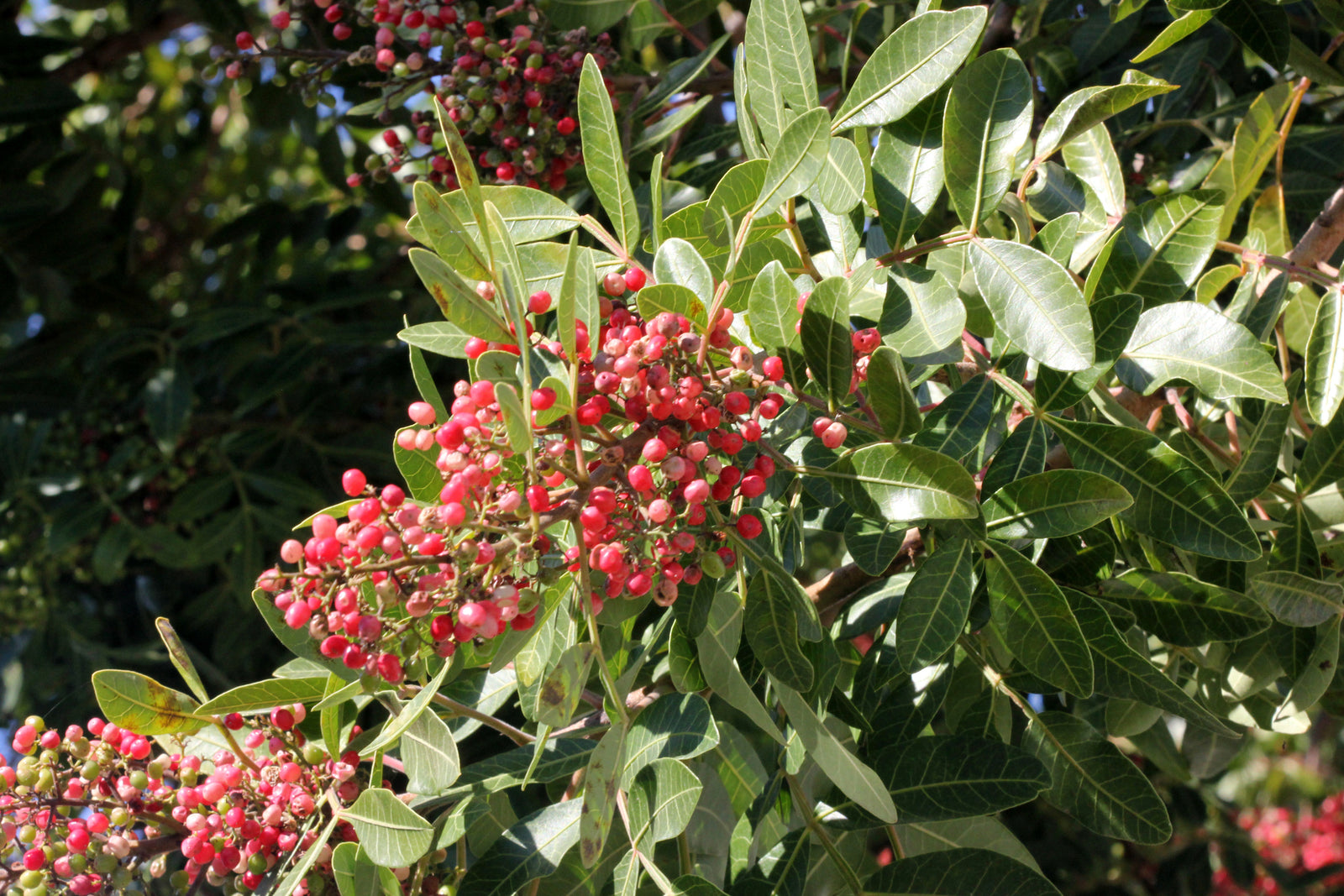
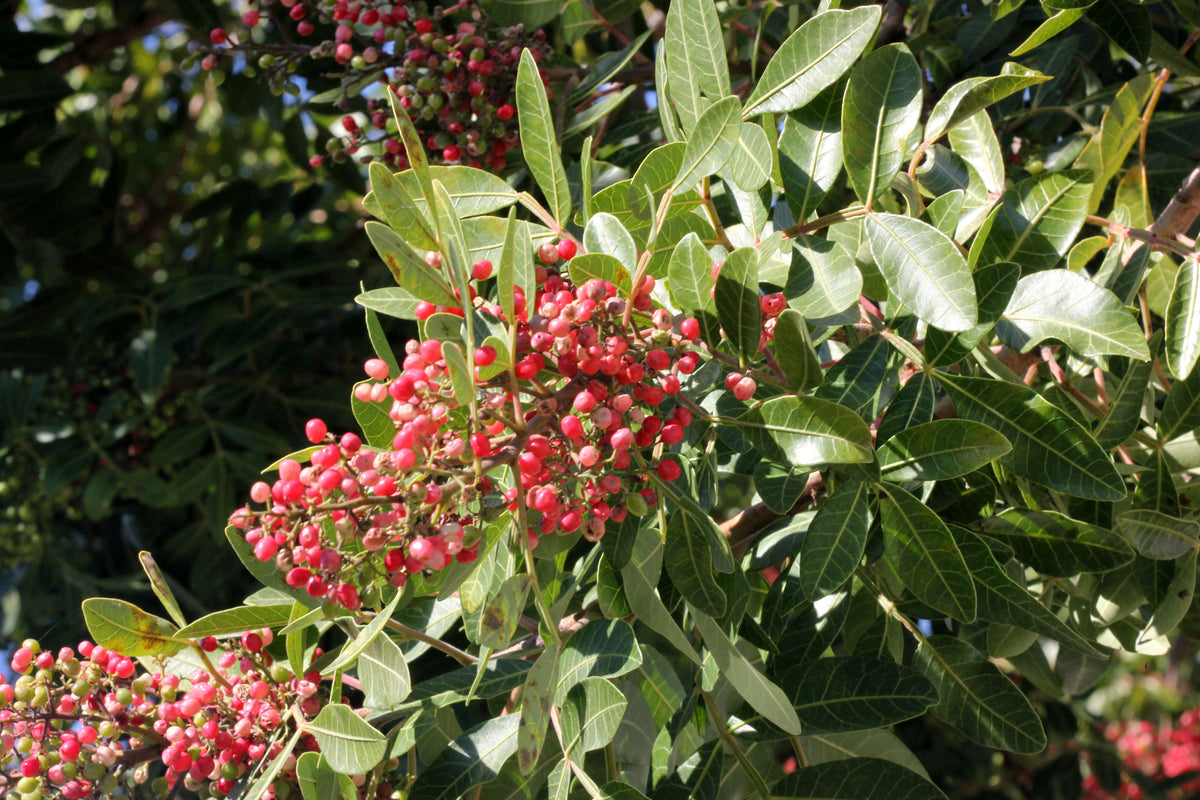
The Schinus terebinthifolia, or Brazilian Pepper Tree, is a fast-growing evergreen shrub or small tree known for its glossy green foliage and clusters of bright red berries. Native to South America, it grows up to 7 to 10 metres tall and is often used as a screen or ornamental plant in tropical and subtropical regions. While visually appealing, it is considered invasive in many areas due to its aggressive growth and ability to outcompete native species.
Specifications
- Height7 to 10 metres
- Width4 to 6 metres
- Native toSouth America (Brazil, Argentina, and Paraguay)
- FoliageGlossy, dark green, pinnate leaves with a slightly aromatic scent when crushed
- Growth rateFast
Conditions
- SoilAdapts to a variety of soils; thrives in sandy, well-drained soils
- LightFull sun to partial shade
- WaterLow to moderate; drought-tolerant once established
- ClimateThrives in tropical, subtropical, and warm temperate regions
Additional Features
- Flowers and BerriesProduces small white flowers in clusters, followed by bright red berries in winter, often used in floral arrangements
- UsesFrequently planted as a hedge, windbreak, or ornamental tree (where non-invasive)
- SpacingPlant 3 to 5 metres apart for dense coverage
- Low MaintenanceMinimal pruning required; remove suckers and control spread
- Pest ResistanceGenerally pest-resistant
- Environmental ConcernsInvasive in many regions, such as Florida, Hawaii, and Australia; should be avoided in these areas to protect native ecosystems
The Brazilian Pepper Tree adds vibrant colour and texture to landscapes but must be carefully managed or avoided in regions where it poses ecological threats. Always check local regulations before planting.
Procurement note
Availability is confirmed by project review.
Checked against destination, quantity, size, origin, preparation time and export requirements.
Quoted after review. No public retail pricing, no cart and no checkout.
Send destination, quantities, sizes, target delivery date and any substitutions allowed.