
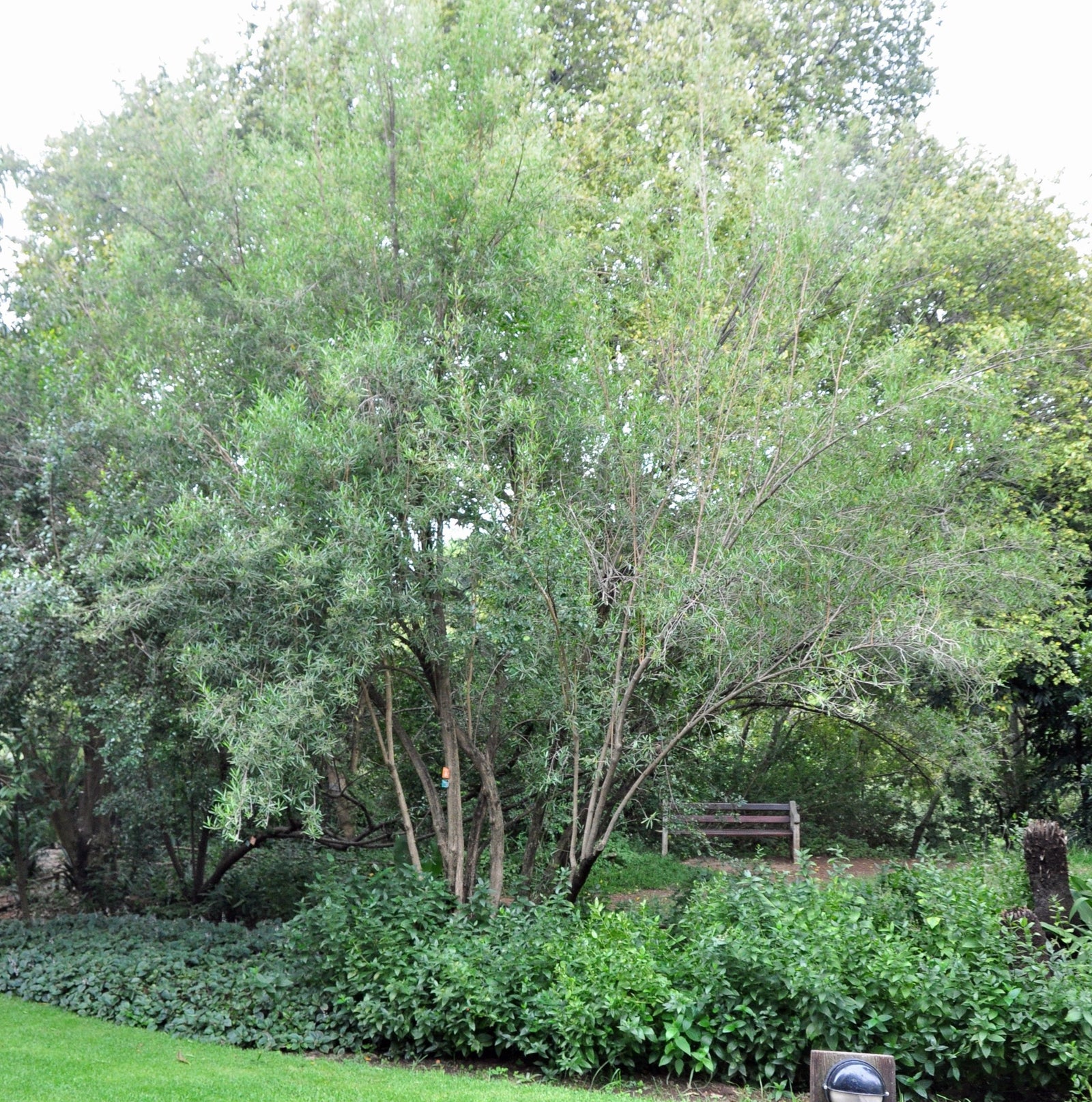
Species reference sheet / enquiry only
Nuxia oppositifoliaWild Elder
This is a technical reference for project discussion, not an online product. Availability, pricing, origin and export readiness are confirmed only after Ornatec reviews destination, quantity, size range and timing.
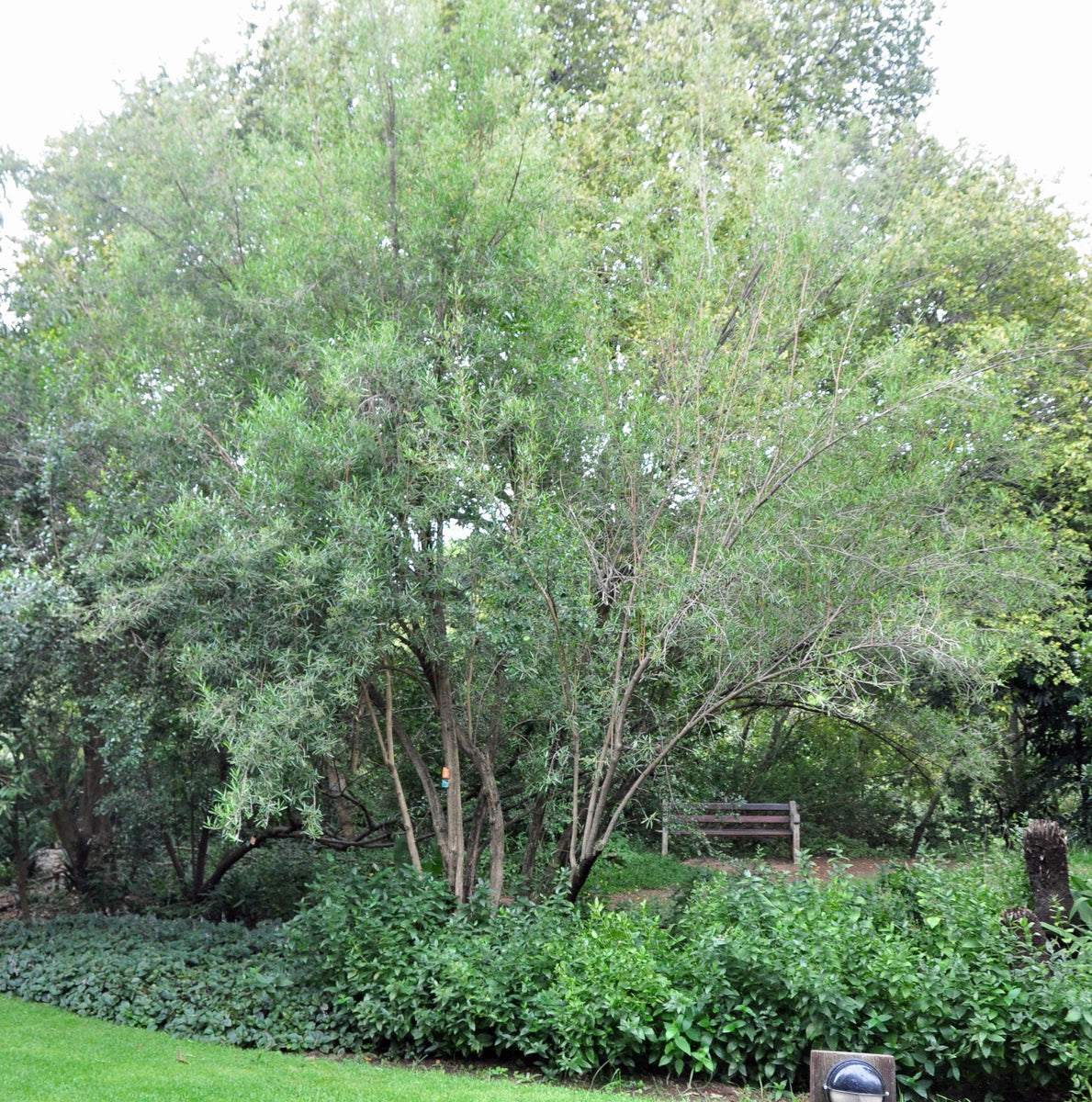
Species overview
The Nuxia oppositifolia, commonly known as Wild Elder, is a small to medium-sized evergreen tree native to tropical and subtropical regions of Africa and parts of the Arabian Peninsula. It is celebrated for its dense, rounded crown, glossy green leaves, and profuse clusters of fragrant, small white to cream flowers that bloom seasonally. Growing up to 6 to 15 metres tall, this resilient tree thrives in a variety of conditions, making it a popular choice for ornamental planting, erosion control, and reforestation projects.
Specifications
- Height6 to 15 metres
- Width5 to 10 metres
- Native toTropical and subtropical Africa, Arabian Peninsula
- FoliageGlossy, dark green leaves; evergreen
- Growth rateModerate
Conditions
- SoilPrefers well-drained sandy, loamy, or rocky soils; tolerates nutrient-poor conditions
- LightFull sun to partial shade
- WaterLow to moderate; drought-tolerant once established
- ClimateThrives in tropical, subtropical, and warm temperate regions
Additional Features
- FlowersSmall, fragrant white to cream flowers bloom in clusters, attracting pollinators
- UsesIdeal for ornamental planting, shade, erosion control, and reforestation
- SpacingPlant 5 to 8 metres apart for canopy development or in rows for erosion control
- Low MaintenanceMinimal care required; prune to shape or remove deadwood
- Pest ResistanceNaturally resilient to pests and diseases
- Wildlife AttractionFlowers attract bees, butterflies, and other pollinators; provides habitat for birds
- Environmental BenefitsAids in soil stabilisation and reforestation in degraded areas
- Cultural SignificanceTraditionally used for medicinal purposes in some regions
The Wild Elder is a versatile and resilient tree, perfect for enhancing landscapes with its attractive flowers, ecological benefits, and ability to thrive in challenging conditions. Its fragrant blooms and dense foliage make it a valuable addition to both natural and urban settings.
Procurement note
Availability is confirmed by project review.
Checked against destination, quantity, size, origin, preparation time and export requirements.
Quoted after review. No public retail pricing, no cart and no checkout.
Send destination, quantities, sizes, target delivery date and any substitutions allowed.