
Species reference sheet / enquiry only
Metrosideros excelsaPohutukawa
This is a technical reference for project discussion, not an online product. Availability, pricing, origin and export readiness are confirmed only after Ornatec reviews destination, quantity, size range and timing.

Species overview
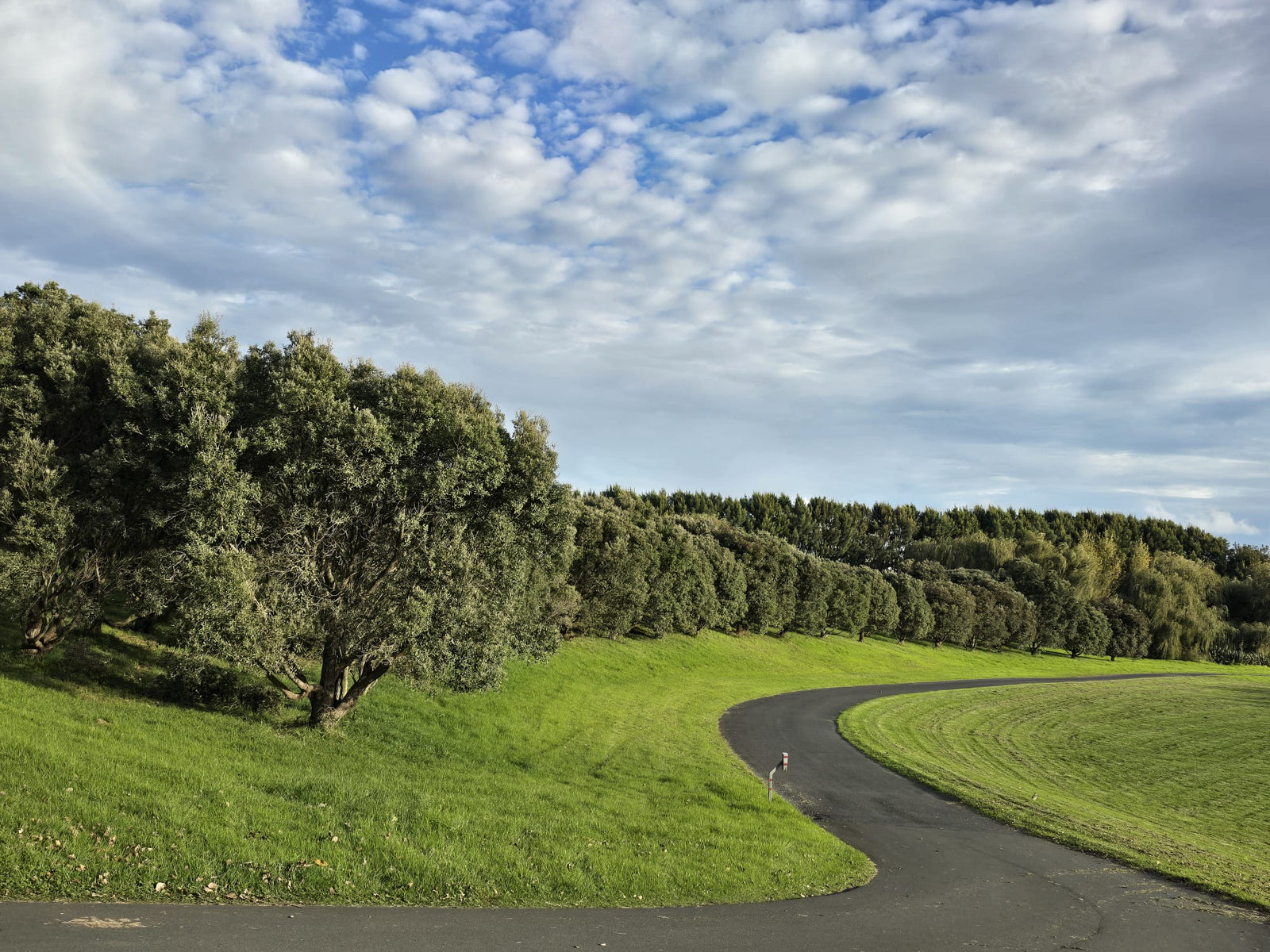
The Metrosideros excelsa, commonly known as the New Zealand Christmas Tree or Pohutukawa, is a hardy, evergreen tree native to New Zealand. Renowned for its brilliant red, brush-like flowers that bloom during summer and early winter, it is a beloved symbol of Christmas in New Zealand. The tree grows up to 20 metres tall and develops a wide, spreading canopy, often with gnarled and twisted branches.
This iconic tree is highly valued for its ornamental beauty, coastal resilience, and ability to thrive in challenging environments.
Specifications
- Height10 to 20 metres
- Width8 to 15 metres (canopy spread)
- Native toNew Zealand
- FoliageSmall, leathery, dark green leaves with a silvery underside; evergreen
- Growth rateSlow to moderate
Conditions
- SoilPrefers well-drained, sandy, or rocky soils; tolerates poor and coastal soils
- LightFull sun to partial shade
- WaterLow; drought-tolerant once established
- ClimateThrives in coastal, temperate, and subtropical regions
Additional Features
- FlowersBright red, brush-like flowers with long stamens, blooming from November to January in the Southern Hemisphere
- RootsStrong, spreading roots that stabilise coastal soils and cliffs
- UsesIdeal for coastal landscaping, erosion control, windbreaks, and as a feature tree in large gardens or parks
- SpacingPlant 8 to 10 metres apart for canopy development or closer for windbreaks
- Low MaintenanceRequires minimal care; occasional pruning to shape or remove deadwood
- Pest ResistanceNaturally resilient, but monitor for myrtle rust in some regions
- Salt ToleranceHighly suited for seaside planting and windy coastal conditions
- Cultural SignificanceDeeply rooted in Māori culture and mythology, symbolizing strength and endurance
The New Zealand Christmas Tree is a stunning and versatile tree, perfect for adding vibrant colour, shade, and coastal stability to landscapes. Its ability to thrive in harsh coastal conditions makes it an invaluable asset for gardens and natural areas alike.
Procurement note
Availability is confirmed by project review.
Checked against destination, quantity, size, origin, preparation time and export requirements.
Quoted after review. No public retail pricing, no cart and no checkout.
Send destination, quantities, sizes, target delivery date and any substitutions allowed.