
Species reference sheet / enquiry only
Cinnamomum camphoraCamphor Tree
This is a technical reference for project discussion, not an online product. Availability, pricing, origin and export readiness are confirmed only after Ornatec reviews destination, quantity, size range and timing.

Species overview
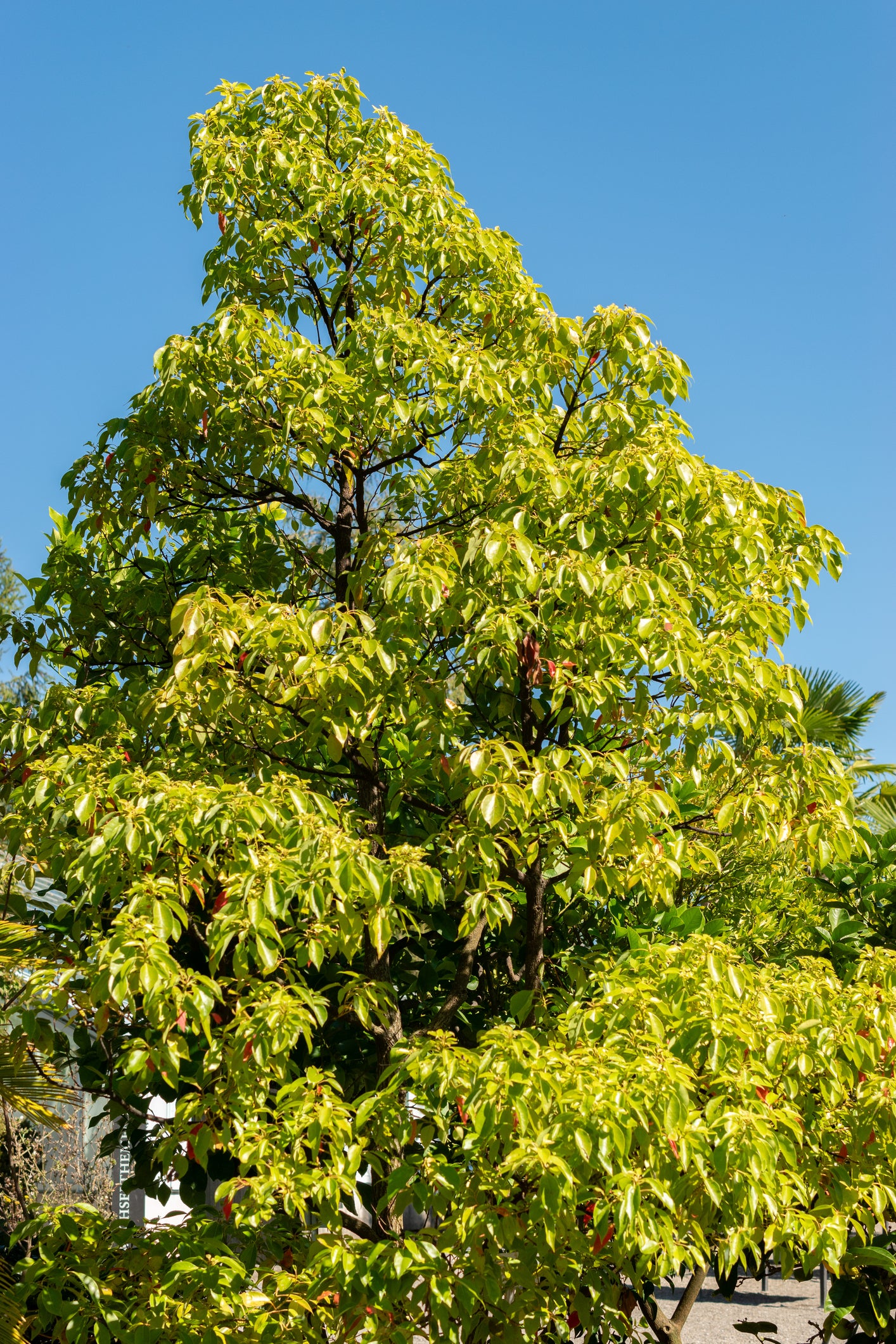
The Cinnamomum camphora, or Camphor Tree, is a large, evergreen tree native to East Asia, known for its glossy, aromatic leaves, spreading canopy, and historical significance. Growing up to 20 to 30 metres tall, it features leathery, oval-shaped leaves with a glossy green upper surface and paler underside. In spring, small clusters of yellow-green flowers appear, followed by black, berry-like fruit. The tree's bark and leaves produce camphor oil, valued for its medicinal and aromatic properties.
This hardy and long-lived tree is a popular choice for ornamental planting in parks, large gardens, and avenue plantings.
Specifications
- Height20 to 30 metres
- Width15 to 20 metres
- Native toEast Asia (China, Japan, Korea, and Vietnam)
- FoliageGlossy, aromatic green leaves with a leathery texture; evergreen
- Growth rateModerate to fast
Conditions
- SoilPrefers well-drained, fertile soils; tolerates a wide range of soil types
- LightFull sun to partial shade
- WaterModerate; drought-tolerant once established
- ClimateThrives in subtropical, tropical, and warm temperate regions
Additional Features
- FlowersSmall yellow-green clusters in spring, followed by black, berry-like fruit
- UsesIdeal for ornamental planting, shade trees, and avenue plantings in large landscapes
- SpacingPlant 10 to 15 metres apart for individual or grouped plantings
- Low MaintenanceRequires minimal care; prune to shape or remove deadwood if necessary
- Pest ResistanceGenerally resilient, but monitor for pests in non-native regions
- Environmental ImpactWidely planted for its shade and beauty, but can be invasive in some regions
- Aromatic BenefitsProduces camphor oil, historically used in medicine and perfumery
- LongevityExtremely long-lived, often thriving for centuries
The Camphor Tree is a resilient and majestic tree, perfect for creating shade and structure in large landscapes, but it should be planted with care due to its potential invasiveness in non-native areas.
Procurement note
Availability is confirmed by project review.
Checked against destination, quantity, size, origin, preparation time and export requirements.
Quoted after review. No public retail pricing, no cart and no checkout.
Send destination, quantities, sizes, target delivery date and any substitutions allowed.