
Species reference sheet / enquiry only
Cedrus libaniCedar of Lebanon
This is a technical reference for project discussion, not an online product. Availability, pricing, origin and export readiness are confirmed only after Ornatec reviews destination, quantity, size range and timing.
Species overview
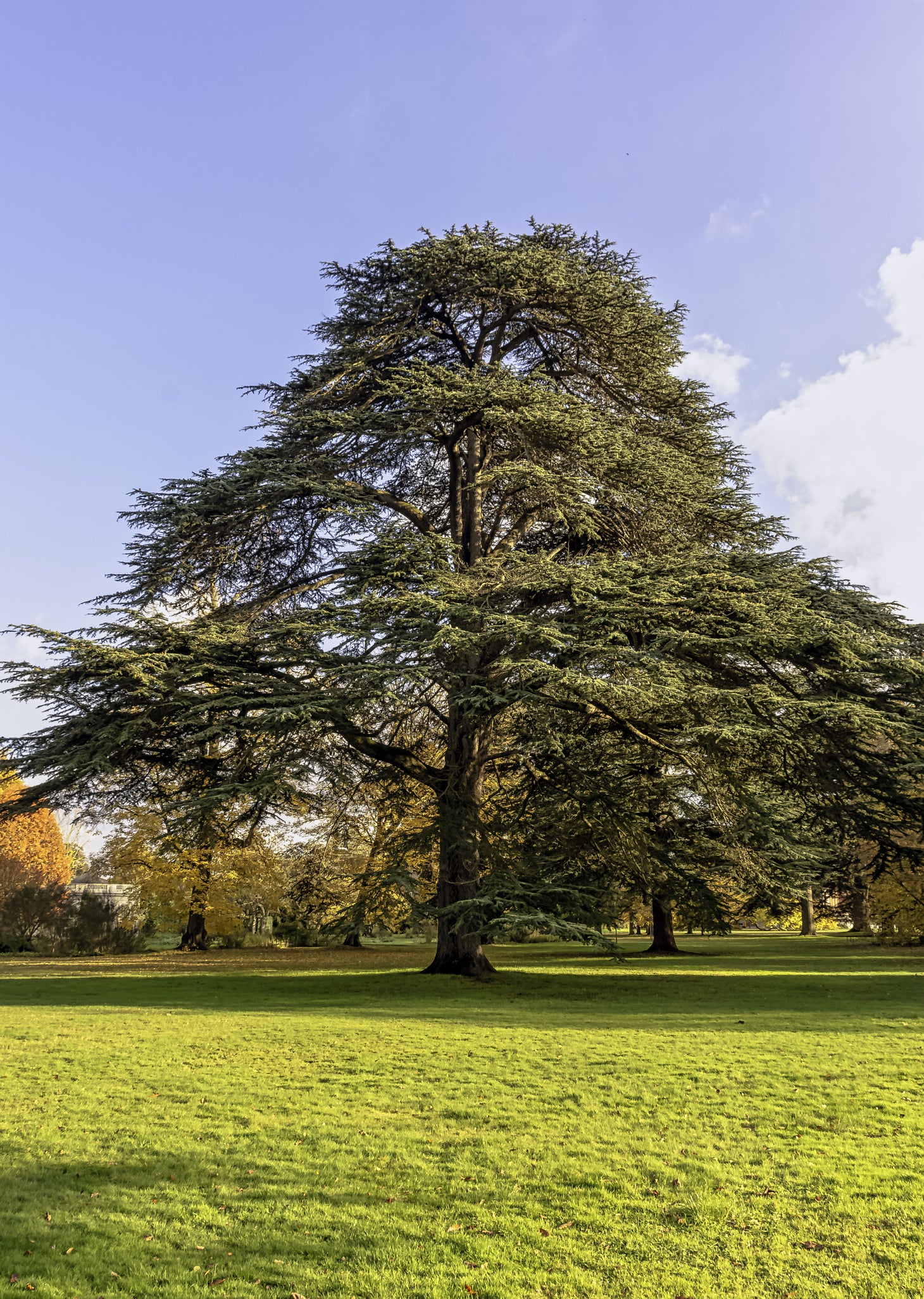
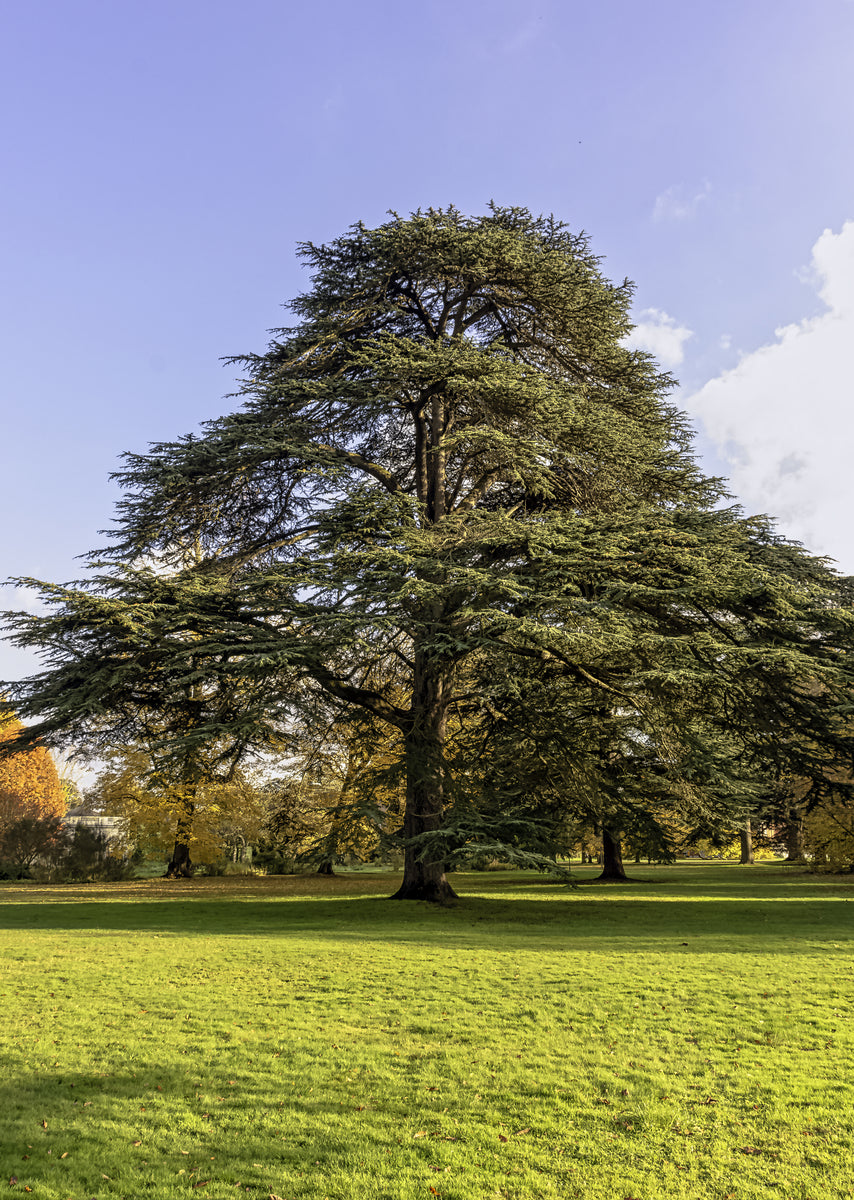
The Cedrus libani, or Cedar of Lebanon, is an iconic, slow-growing evergreen conifer native to the eastern Mediterranean, prized for its majestic form and historical significance. Growing up to 25 to 40 metres tall, it develops a wide, spreading canopy with layered, horizontal branches and dense, dark green needle-like foliage. Mature trees often exhibit a flat-topped crown, adding to their architectural beauty.
This hardy and long-lived tree is ideal for large gardens, parks, and formal landscapes, providing shade, structure, and a timeless presence.
Specifications
- Height25 to 40 metres
- Width10 to 20 metres
- Native toEastern Mediterranean, including Lebanon, Turkey, and Syria
- FoliageDense, dark green needles arranged in clusters; evergreen
- Growth rateSlow
Conditions
- SoilPrefers well-drained, loamy, or rocky soils; tolerates alkaline conditions
- LightFull sun
- WaterModerate; drought-tolerant once established
- ClimateThrives in temperate and Mediterranean regions
Additional Features
- FormBroad, flat-topped crown with layered, horizontal branching in maturity
- UsesIdeal as a feature tree, shade provider, or in formal landscapes and large gardens
- SpacingPlant 10 to 15 metres apart for individual growth or grouped plantings
- Low MaintenanceRequires minimal pruning; remove deadwood to maintain structure
- Pest ResistanceNaturally resistant to most pests with proper care
- LongevityExtremely long-lived, with some specimens surviving for thousands of years
- Cultural SignificanceRevered in ancient cultures; featured in religious texts and national emblems
- Environmental BenefitsProvides habitat for wildlife, stabilises soil, and sequesters carbon
The Cedar of Lebanon is a symbol of strength and permanence, perfect for adding grandeur and historical depth to large-scale landscapes and formal gardens.
Procurement note
Availability is confirmed by project review.
Checked against destination, quantity, size, origin, preparation time and export requirements.
Quoted after review. No public retail pricing, no cart and no checkout.
Send destination, quantities, sizes, target delivery date and any substitutions allowed.