
Species reference sheet / enquiry only
Acacia tortilis (Vachellia)Umbrella Thorn Tree
This is a technical reference for project discussion, not an online product. Availability, pricing, origin and export readiness are confirmed only after Ornatec reviews destination, quantity, size range and timing.
Species overview
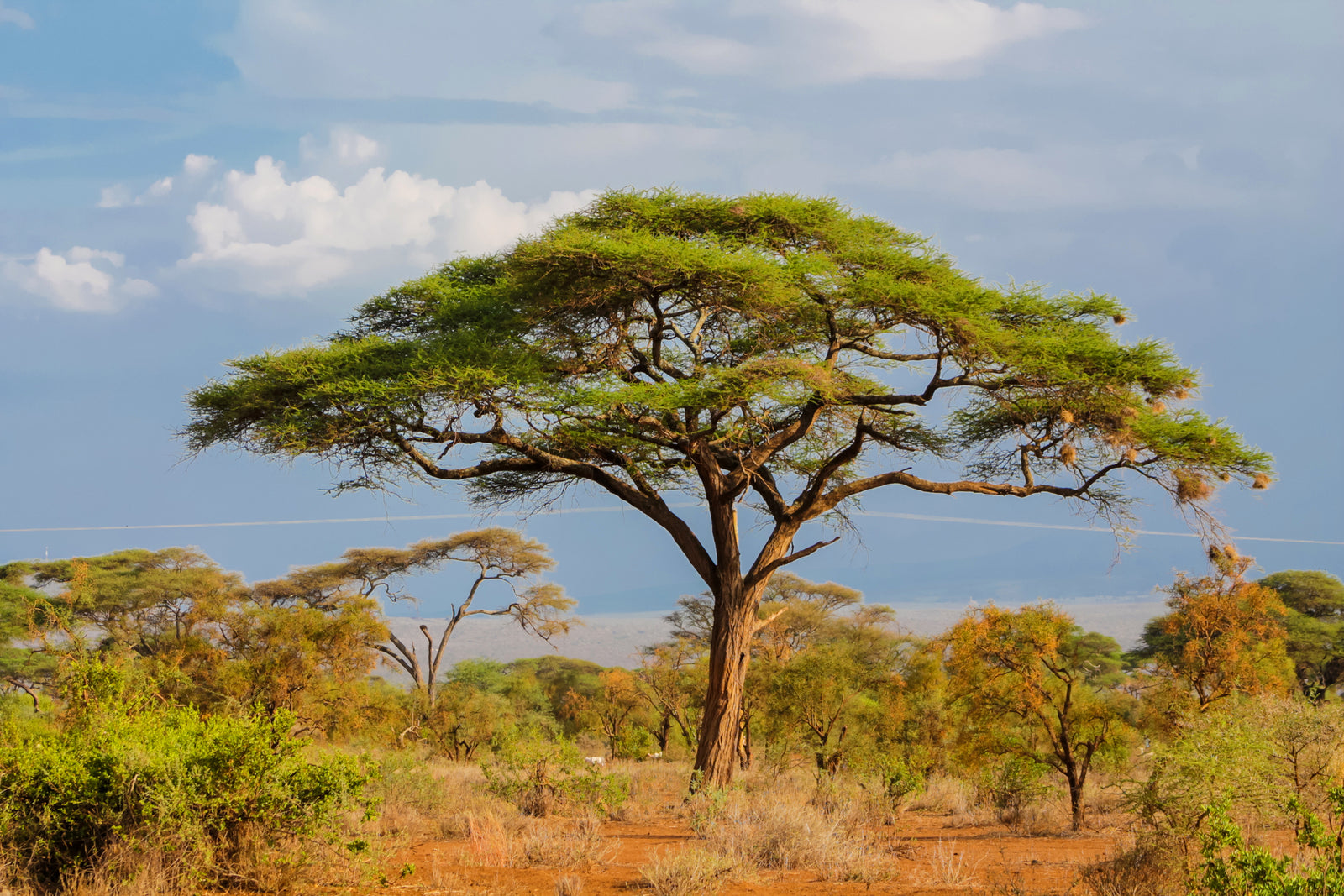
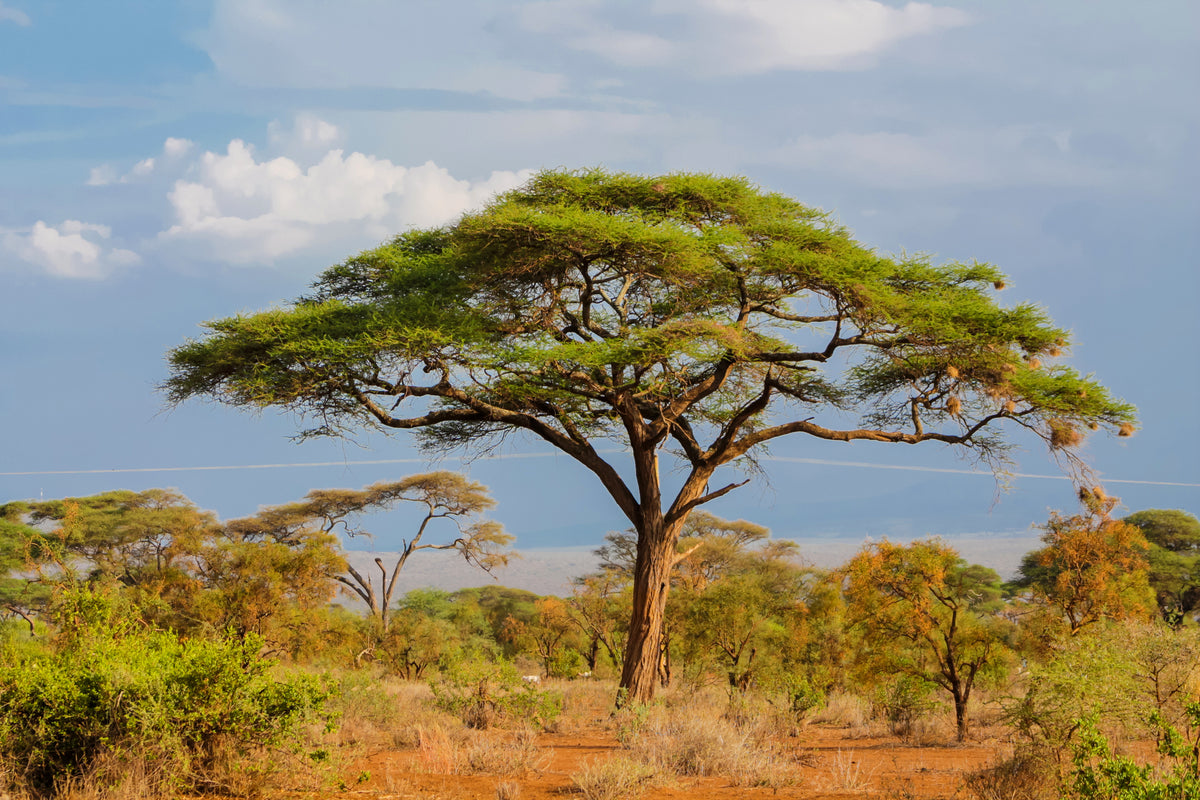
The Acacia tortilis, commonly known as the Umbrella Thorn Tree, is an iconic, hardy deciduous tree native to arid regions of Africa and the Middle East. It is recognised for its distinctive flat-topped canopy, feathery, bipinnate leaves, and long, sharp thorns. Growing up to 10 to 12 metres tall, it is a key species in savannah ecosystems, providing shade, forage, and shelter for wildlife.
With its extreme drought tolerance and adaptability, the Umbrella Thorn Tree is an excellent choice for arid landscaping, erosion control, and ecological restoration projects.
Specifications
- Height6 to 12 metres
- Width10 to 15 metres (canopy spread)
- Native toAfrica and the Middle East
- FoliageSmall, feathery, bipinnate leaves; deciduous
- Growth rateModerate
Conditions
- SoilThrives in well-drained, sandy, loamy, or rocky soils; tolerates saline conditions
- LightFull sun
- WaterExtremely low; highly drought-tolerant once established
- ClimateArid and semi-arid regions; tolerates high heat and minimal rainfall
Additional Features
- FormDistinctive flat-topped canopy providing shade and architectural interest
- Flowers and PodsSmall, creamy-white flowers in clusters followed by twisted seed pods that provide forage for livestock and wildlife
- UsesIdeal for erosion control, windbreaks, shade trees, and reforestation projects
- SpacingPlant 6 to 10 metres apart for canopy development or reforestation
- Low MaintenanceMinimal care required; pruning may be necessary to shape or manage size
- Pest ResistanceNaturally resilient; monitor for pests like psyllids in stressed conditions
- Wildlife AttractionProvides habitat and forage for birds, pollinators, and grazing animals
- Cultural and Economic ValueSource of firewood, fodder, and gum arabic; used in traditional medicine
The Umbrella Thorn Tree is a resilient and versatile species, perfect for enhancing biodiversity, stabilising soils, and creating shaded environments in arid and semi-arid landscapes.
Procurement note
Availability is confirmed by project review.
Checked against destination, quantity, size, origin, preparation time and export requirements.
Quoted after review. No public retail pricing, no cart and no checkout.
Send destination, quantities, sizes, target delivery date and any substitutions allowed.