
Species reference sheet / enquiry only
Samanea samanRain Tree
This is a technical reference for project discussion, not an online product. Availability, pricing, origin and export readiness are confirmed only after Ornatec reviews destination, quantity, size range and timing.

Species overview
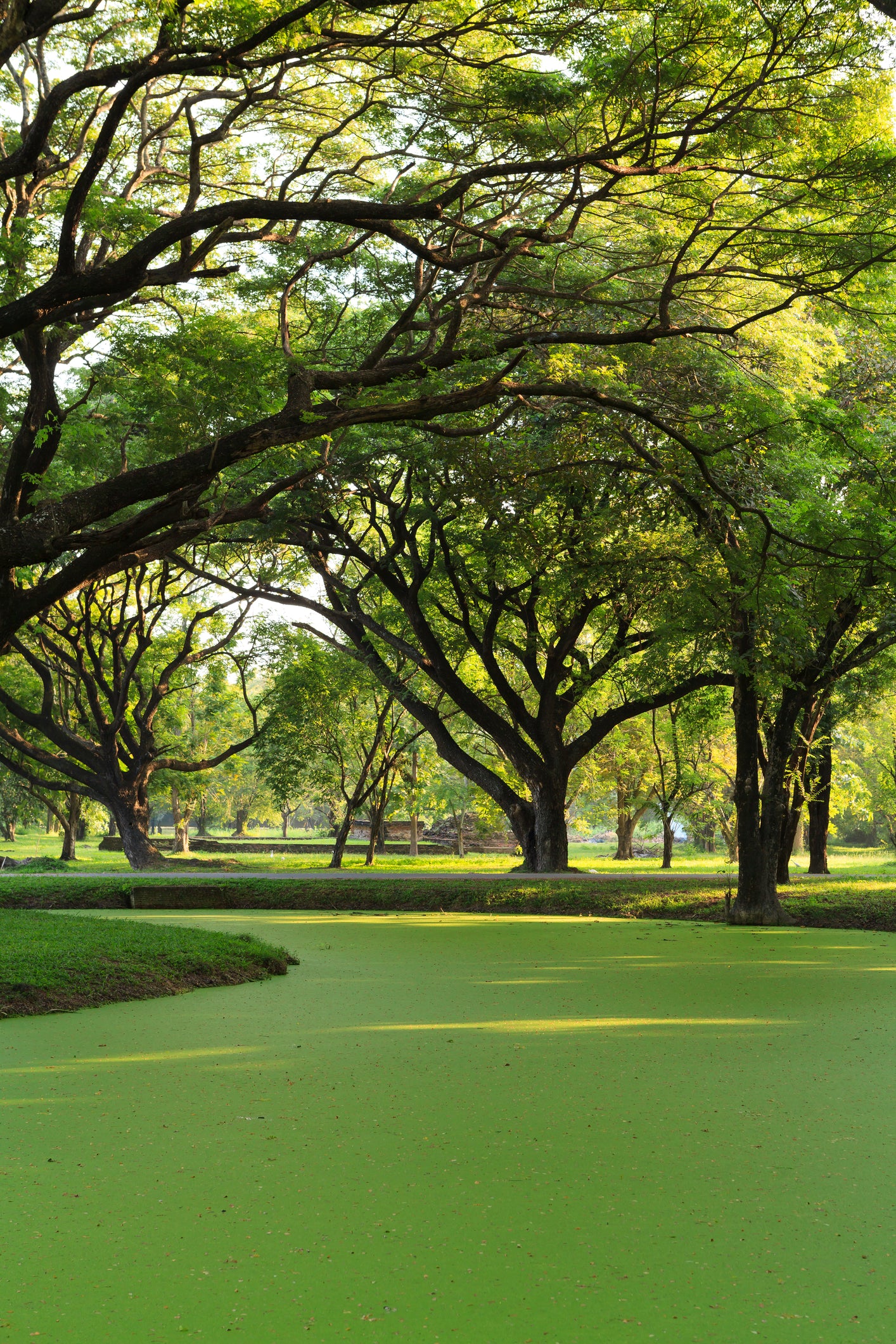
The Samanea saman, commonly known as the Rain Tree, is a large, fast-growing, and sprawling deciduous or semi-evergreen tree prized for its wide, umbrella-shaped canopy and ability to provide excellent shade. Native to Central and South America, it can grow up to 25 to 30 metres tall with a canopy spreading up to 40 metres in diameter. The tree produces small, pink and white powder-puff-like flowers and long, dark brown seed pods that are often consumed by livestock.
This drought-tolerant and hardy tree is widely planted in tropical and subtropical regions as an ornamental or shade tree for parks, streets, and large gardens.
Specifications
- Height25 to 30 metres
- WidthUp to 40 metres (canopy spread)
- Native toCentral and South America
- FoliageLarge, bipinnate leaves that fold at night or during rain
- Growth rateFast
Conditions
- SoilPrefers well-drained soils; tolerates sandy, loamy, and even slightly saline soils
- LightFull sun
- WaterLow to moderate; drought-tolerant once established
- ClimateThrives in tropical and subtropical regions
Additional Features
- FlowersSmall, powder-puff-like pink and white flowers blooming sporadically throughout the year
- Seed PodsLong, dark brown seed pods containing sweet pulp, often eaten by livestock
- UsesIdeal for shade, ornamental planting, erosion control, and agroforestry
- SpacingPlant 10 to 15 metres apart for individual growth or dense plantings
- Low MaintenanceRequires little care; prune to shape or manage canopy spread
- Environmental BenefitsProvides shade, reduces soil erosion, and fixes nitrogen in the soil
- Pest ResistanceGenerally pest-free and resilient
- Cultural SignificanceOften planted in public spaces for its majestic canopy and shade
The Rain Tree is a versatile and iconic tree, perfect for creating shade and enhancing landscapes in tropical and subtropical climates. However, its large size makes it best suited for spacious areas.
Procurement note
Availability is confirmed by project review.
Checked against destination, quantity, size, origin, preparation time and export requirements.
Quoted after review. No public retail pricing, no cart and no checkout.
Send destination, quantities, sizes, target delivery date and any substitutions allowed.