

Species reference sheet / enquiry only
Pithecellobium dulceManila Tamarind
This is a technical reference for project discussion, not an online product. Availability, pricing, origin and export readiness are confirmed only after Ornatec reviews destination, quantity, size range and timing.
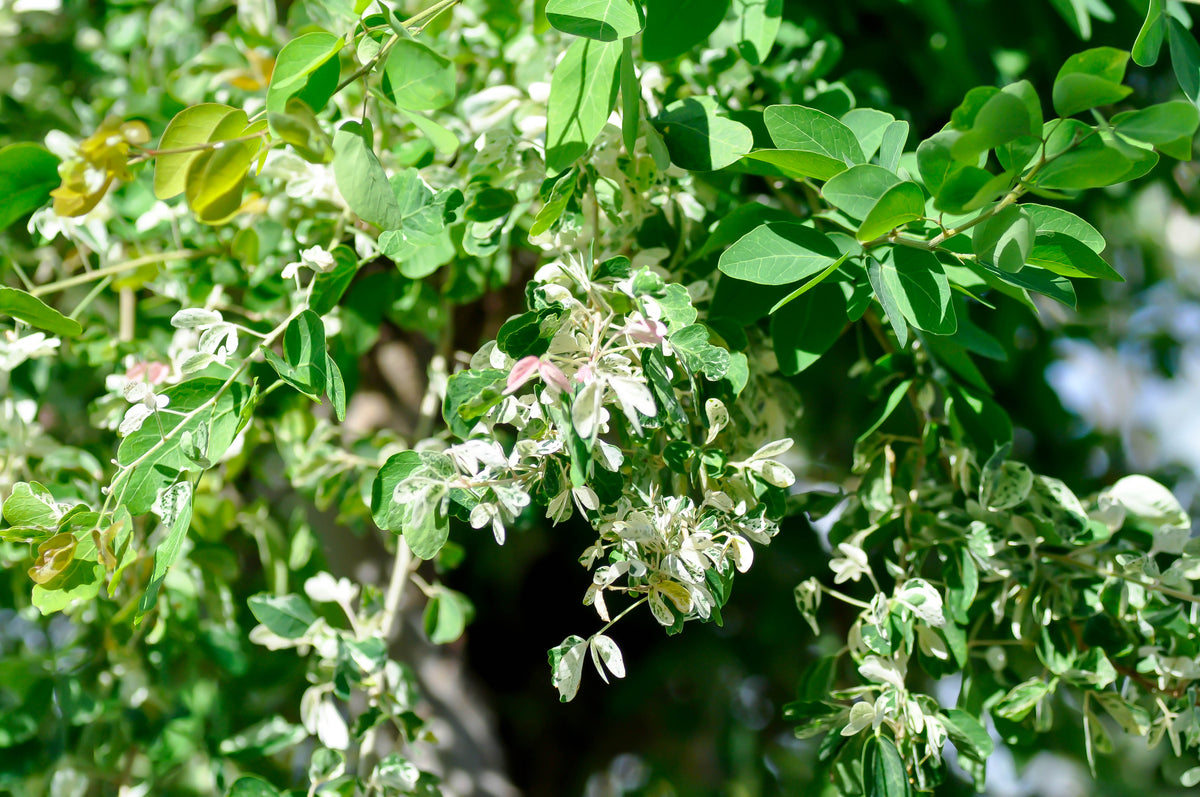
Species overview
The Pithecellobium dulce, commonly known as Manila Tamarind, is a fast-growing, thorny, evergreen tree native to Central and South America. Known for its spreading canopy, feathery foliage, and twisted, edible seed pods, this tree can grow up to 10 to 15 metres in height. The seed pods contain a sweet, tangy, and sometimes sour pulp that is often eaten fresh or used in traditional dishes.
This hardy tree is drought-tolerant and thrives in tropical and subtropical climates, making it an excellent choice for shade, windbreaks, or erosion control in challenging environments.
Specifications
- Height10 to 15 metres
- Width8 to 12 metres
- Native toCentral and South America
- FoliageBipinnate, feathery green leaves; evergreen in tropical climates
- Growth rateFast
Conditions
- SoilPrefers well-drained soils; tolerates poor, sandy, and rocky soils
- LightFull sun to partial shade
- WaterLow; drought-tolerant once established
- ClimateThrives in tropical, subtropical, and arid regions
Additional Features
- FlowersSmall, creamy-green, puffball-like flowers with a sweet fragrance, attracting pollinators like bees
- FruitsTwisted, spiraling seed pods containing sweet-sour pulp and shiny black seeds
- UsesIdeal for shade, windbreaks, erosion control, or as an ornamental tree
- SpacingPlant 6 to 8 metres apart for optimal growth
- Low MaintenanceMinimal pruning required; remove dead branches or suckers as needed
- Pest ResistanceResilient to pests and diseases with basic care
- Environmental BenefitsFixes nitrogen in the soil, providing fertility benefits in agroforestry systems
- Cultural and Medicinal UsesPulp is edible and enjoyed as a snack; bark and seeds are used in traditional medicine
The Manila Tamarind is a versatile and functional tree, offering shade, soil stabilisation, and edible fruits, making it a valuable addition to tropical and subtropical landscapes.
Available Sizes
- Mature height2.5 to 4.0 m
- Canopy spread1.0 to 2.0 m
- Trunk caliper40 to 90 mm
Supplied as advanced, project-grade specimens. Sizes above are the working supply range and are confirmed against your plant schedule. Proven for Middle East coastal projects.
Procurement note
Availability is confirmed by project review.
Checked against destination, quantity, size, origin, preparation time and export requirements.
Quoted after review. No public retail pricing, no cart and no checkout.
Send destination, quantities, sizes, target delivery date and any substitutions allowed.