
Species reference sheet / enquiry only
Pinus pineaStone Pine
This is a technical reference for project discussion, not an online product. Availability, pricing, origin and export readiness are confirmed only after Ornatec reviews destination, quantity, size range and timing.
Species overview
The Pinus pinea, commonly known as Stone Pine or Italian Stone Pine, is a distinctive evergreen conifer tree native to the Mediterranean region. Renowned for its iconic umbrella-shaped canopy, it grows up to 12 to 25 metres tall, with a broad, flat crown and reddish-brown, textured bark. This tree is widely cultivated for its edible pine nuts, a key ingredient in many Mediterranean dishes.
Stone Pines are valued for their ornamental appeal, shade-providing canopy, and resilience, thriving in a range of climates and soil conditions.
Specifications
- Height12 to 25 metres
- Width6 to 12 metres (canopy spread)
- Native toMediterranean region
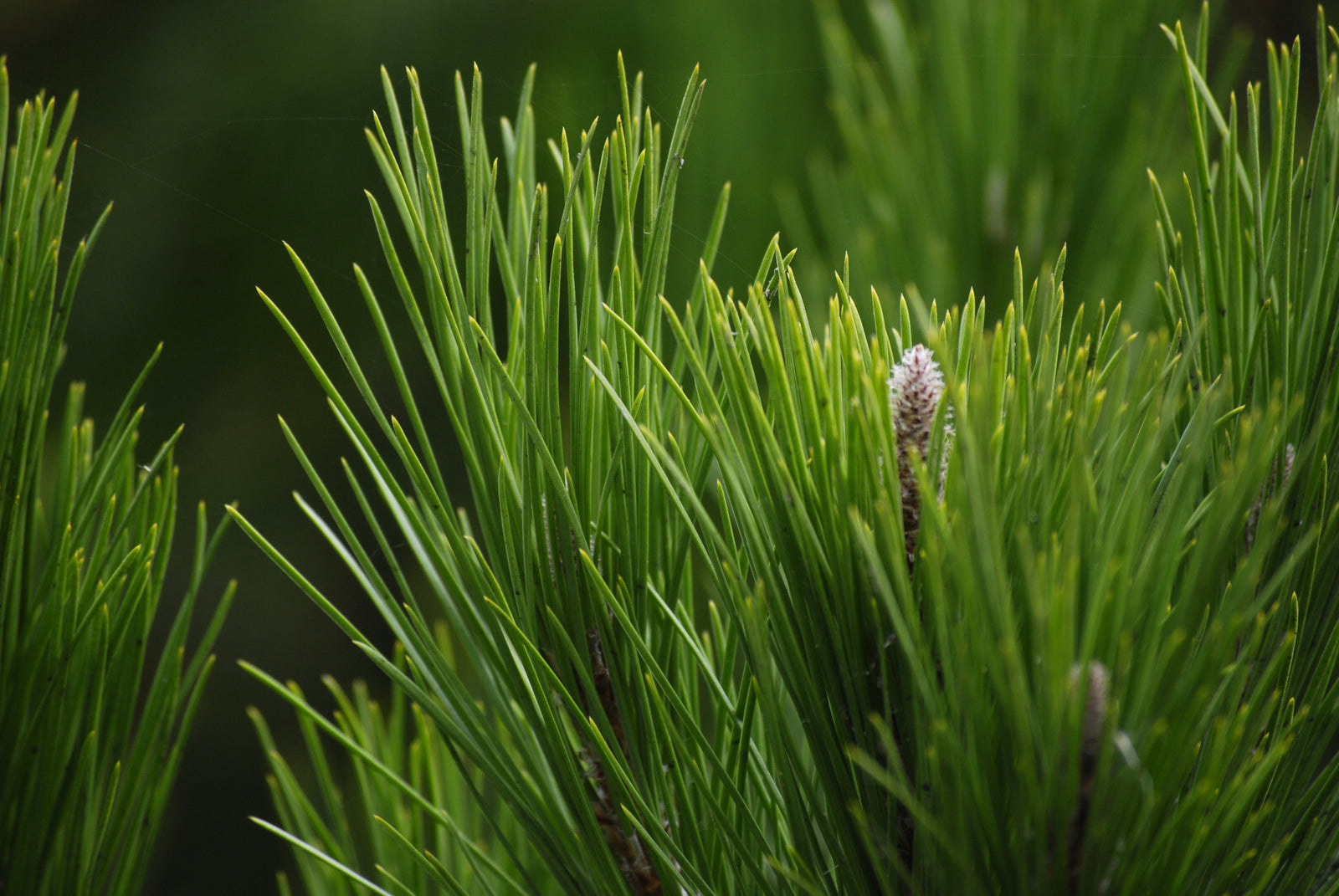
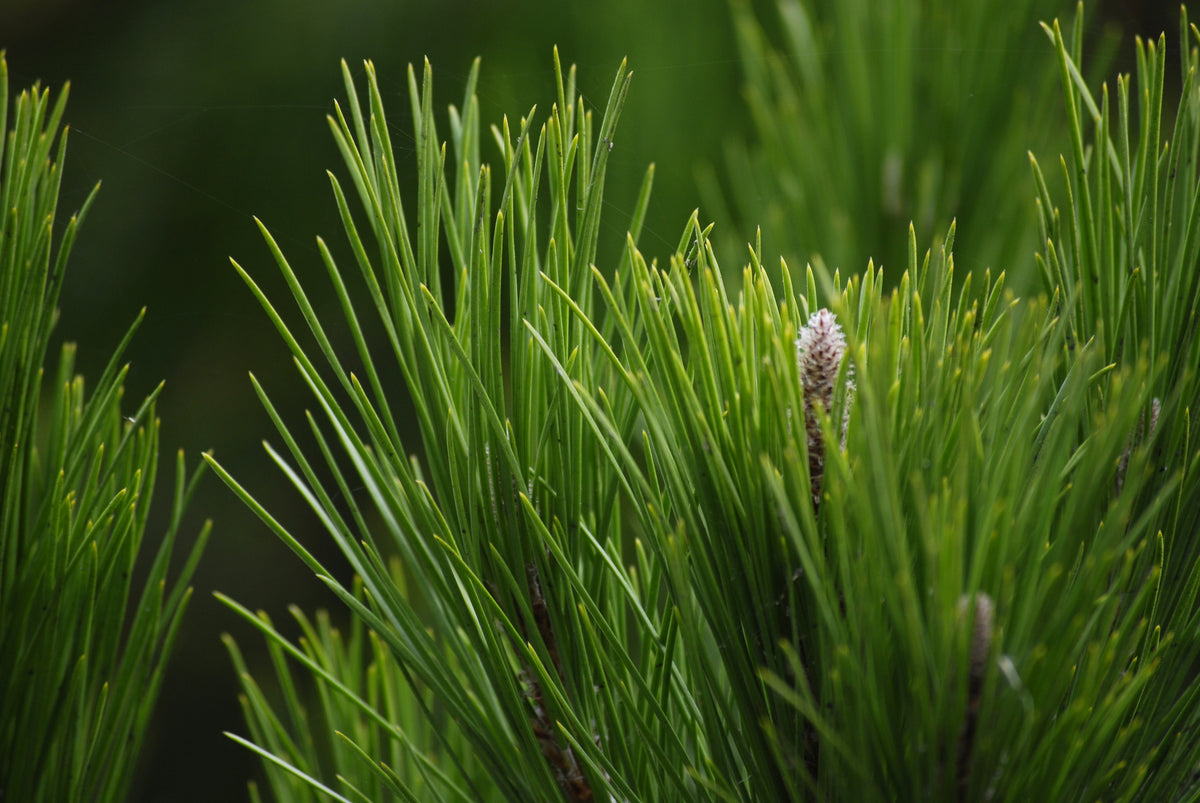
- FoliageLong, slender, needle-like green leaves arranged in pairs; evergreen
- Growth rateSlow to moderate
Conditions
- SoilPrefers well-drained, sandy or loamy soils; tolerates poor, rocky, and slightly alkaline soils
- LightFull sun
- WaterLow; highly drought-tolerant once established
- ClimateThrives in Mediterranean, temperate, and subtropical regions
Additional Features
- Cones and SeedsLarge, rounded cones containing edible pine nuts, ripening over three years
- UsesIdeal for feature planting, parks, large gardens, windbreaks, and erosion control
- SpacingPlant 8 to 12 metres apart for individual growth or grouped plantings
- Low MaintenanceRequires minimal care; occasional pruning to remove dead branches
- Pest ResistanceHardy with proper care; monitor for pine processionary caterpillars in some regions
- Drought TolerancePerforms well in arid and low-water environments
- Cultural and Culinary ImportancePine nuts are a valuable food source, and the tree is deeply rooted in Mediterranean culture
The Stone Pine is an elegant and functional tree, combining ornamental beauty, culinary value, and adaptability, making it a timeless choice for Mediterranean and arid landscapes.
Procurement note
Availability is confirmed by project review.
Checked against destination, quantity, size, origin, preparation time and export requirements.
Quoted after review. No public retail pricing, no cart and no checkout.
Send destination, quantities, sizes, target delivery date and any substitutions allowed.