
Species reference sheet / enquiry only
Faidherbia albidaWhite acacia
This is a technical reference for project discussion, not an online product. Availability, pricing, origin and export readiness are confirmed only after Ornatec reviews destination, quantity, size range and timing.
Species overview
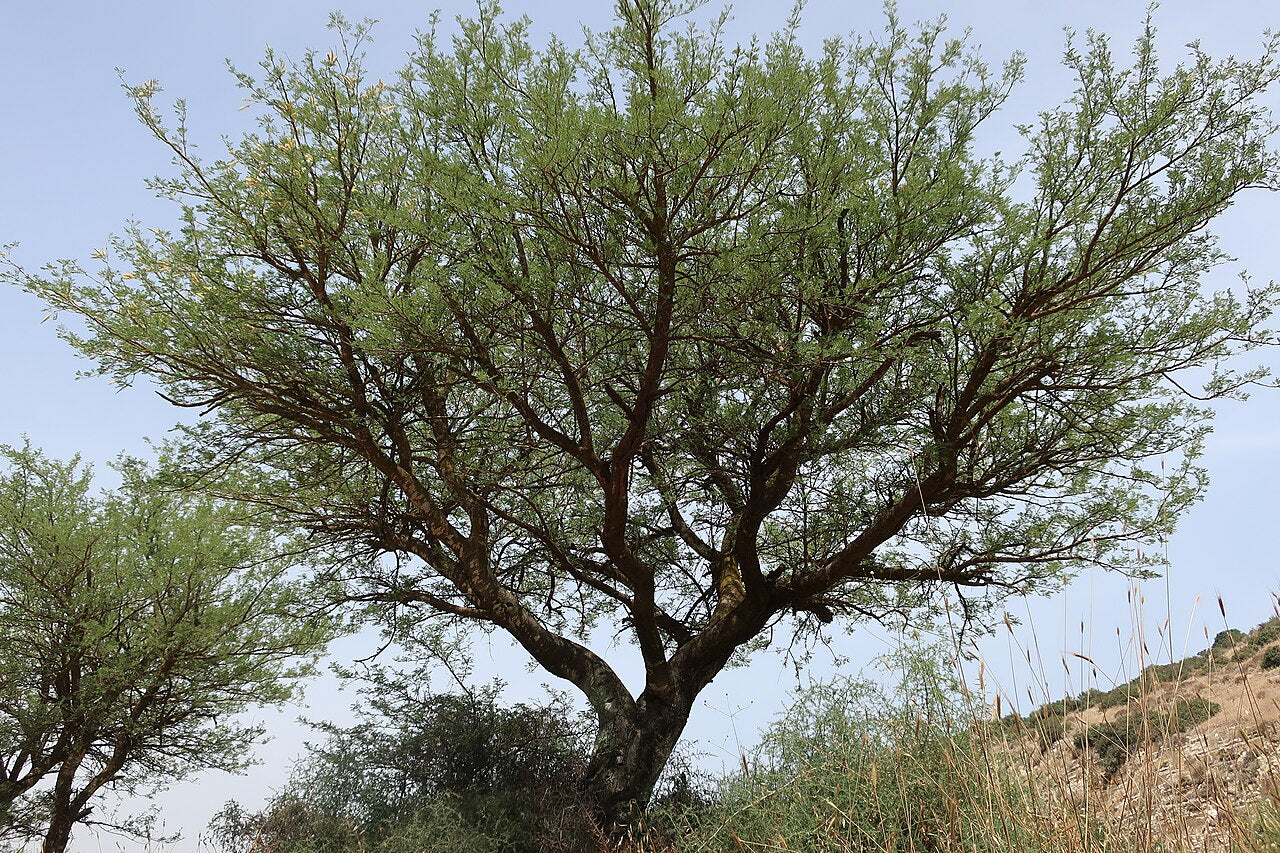
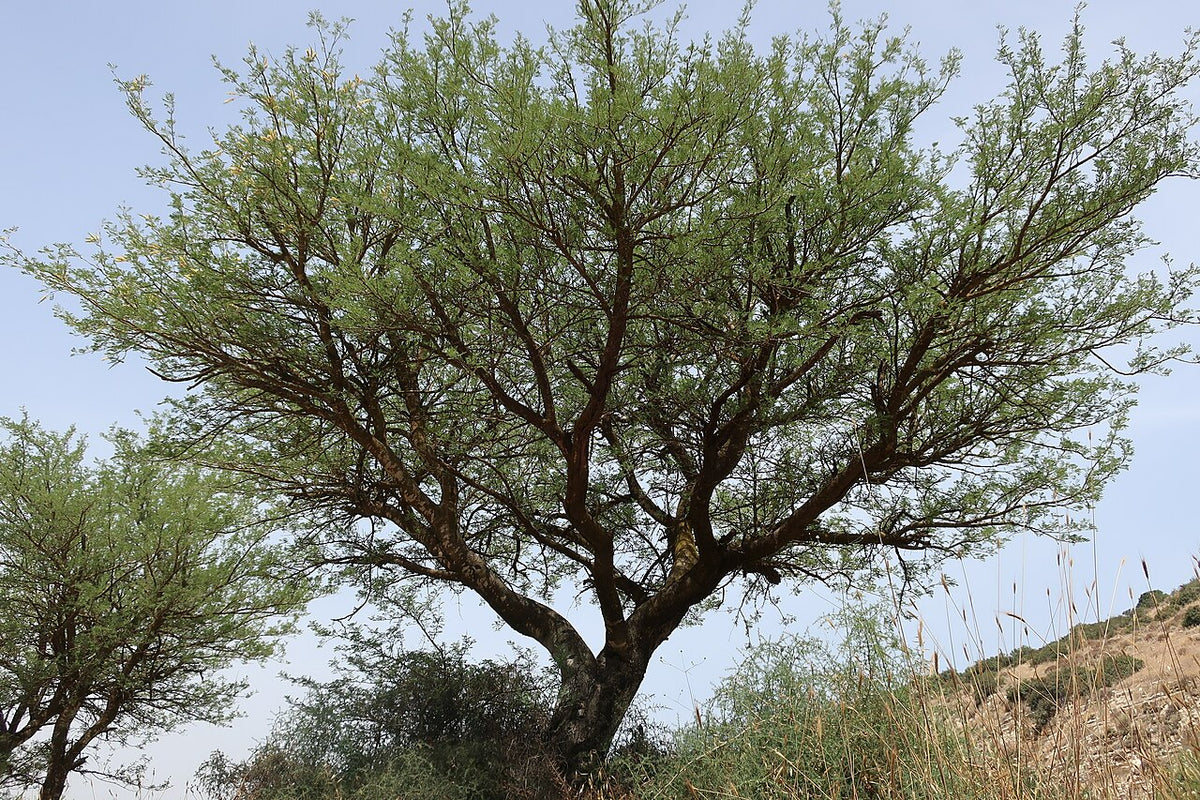
The Faidherbia albida, or White Acacia, is a deciduous tree native to Africa and the Middle East, known for its pale bark, spreading canopy, and ability to thrive in arid environments. Growing up to 20 to 30 metres tall, it features feathery, silver-green leaves and produces creamy white, fragrant flowers in clusters, followed by long, twisted seed pods. This nitrogen-fixing tree is highly valued for its environmental benefits, including soil enrichment and providing shade in agroforestry systems.
Hardy and drought-tolerant, the White Acacia is an excellent choice for erosion control, reforestation, and as a feature tree in dry landscapes.
Specifications
- Height20 to 30 metres
- Width15 to 25 metres (broad canopy)
- Native toAfrica and the Middle East
- FoliageFeathery, silver-green leaves; deciduous
- Growth rateModerate to fast
Conditions
- SoilPrefers well-drained sandy or loamy soils; tolerates poor, nutrient-deficient soils
- LightFull sun
- WaterLow; highly drought-tolerant once established
- ClimateThrives in arid, semi-arid, and tropical regions
Additional Features
- Flowers and PodsCreamy white, fragrant flowers followed by long, twisted seed pods
- UsesIdeal for agroforestry, shade, windbreaks, erosion control, and reforestation projects
- SpacingPlant 10 to 15 metres apart for standalone growth or agroforestry systems
- Low MaintenanceRequires minimal care; prune if necessary to manage size
- Nitrogen FixationEnriches soil and improves fertility for surrounding plants
- Environmental BenefitsProvides shade, stabilises soil, and supports wildlife habitats
- Cultural and Economic UsesPods serve as livestock fodder; tree provides fuelwood and timber
The White Acacia is a resilient and versatile tree, perfect for enhancing dry landscapes, improving soil health, and supporting sustainable agricultural systems.
Procurement note
Availability is confirmed by project review.
Checked against destination, quantity, size, origin, preparation time and export requirements.
Quoted after review. No public retail pricing, no cart and no checkout.
Send destination, quantities, sizes, target delivery date and any substitutions allowed.