

Species reference sheet / enquiry only
Aloidendron barberaeAloe Tree
This is a technical reference for project discussion, not an online product. Availability, pricing, origin and export readiness are confirmed only after Ornatec reviews destination, quantity, size range and timing.
Species overview
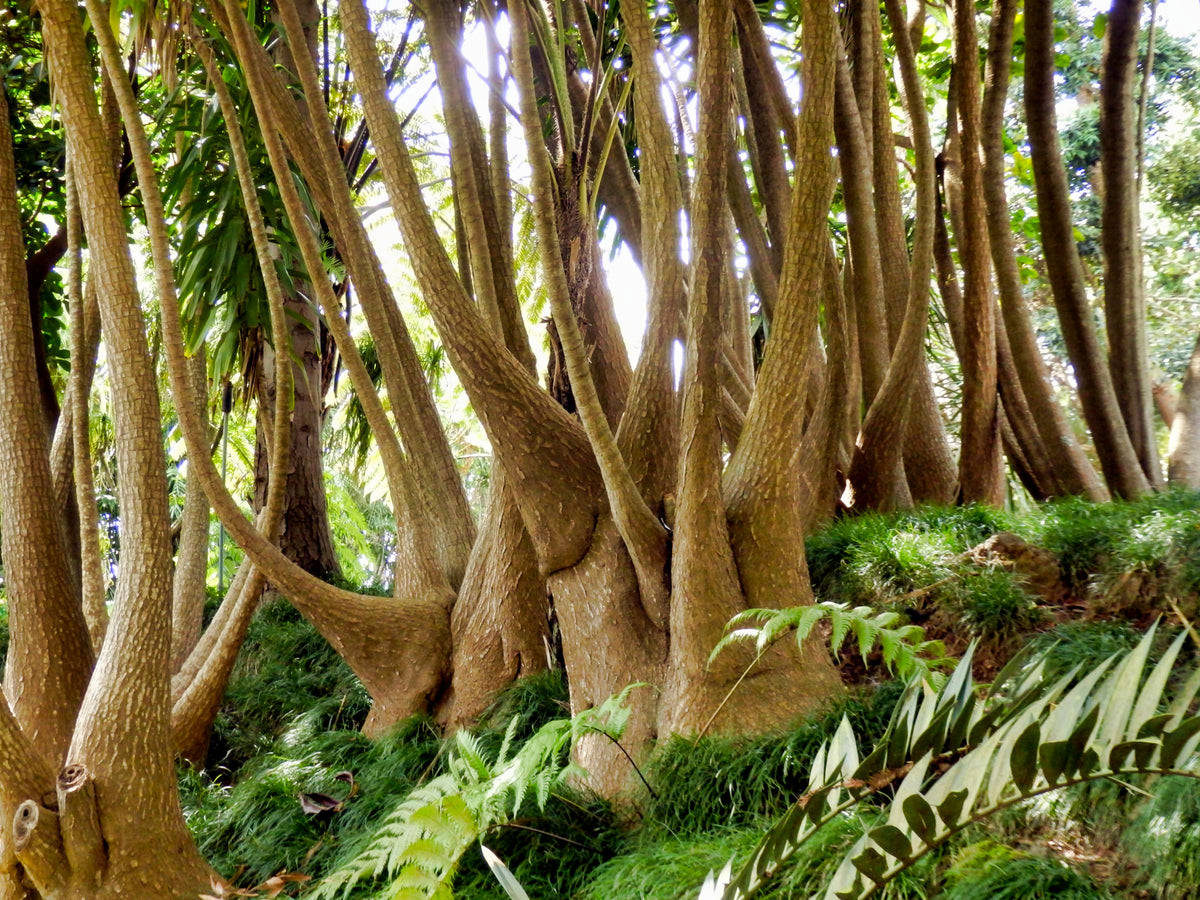
The Aloidendron barberae, or Aloe Tree (formerly Aloe bainesii), is the largest species of aloe and a striking, evergreen succulent tree native to southern Africa. Growing up to 15 to 18 metres tall, it features a smooth, pale grey trunk with a branching canopy of thick, spiky, green leaves arranged in rosettes. During winter, it produces tubular, pinkish-orange flowers that attract birds and pollinators.
This drought-tolerant tree is perfect as a focal point in xeriscaped gardens, rockeries, or large landscapes, offering both architectural beauty and resilience in arid environments.
Specifications
- Height15 to 18 metres
- Width8 to 12 metres
- Native toSouthern Africa
- FoliageThick, spiky, green leaves in dense rosettes atop branching stems
- Growth rateSlow to moderate
Conditions
- SoilPrefers well-drained, sandy, or rocky soils; tolerates poor soils
- LightFull sun to partial shade
- WaterVery low; highly drought-tolerant once established
- ClimateThrives in subtropical, tropical, and arid regions
Additional Features
- FlowersTubular, pinkish-orange blooms in winter, providing nectar for birds and pollinators
- UsesIdeal as a feature tree in arid gardens, large landscapes, and architectural plantings
- SpacingPlant 8 to 12 metres apart to showcase its expansive form
- Low MaintenanceRequires minimal care; prune dead leaves and ensure good drainage
- Pest ResistanceNaturally pest-resistant with basic care
- Drought TolerancePerforms exceptionally well in water-wise landscapes
- VersatilitySuitable for xeriscaping, rockeries, and tropical-inspired designs
The Aloe Tree is a dramatic and hardy addition to landscapes, combining ornamental value with ecological benefits for pollinators in arid and subtropical regions.
Procurement note
Availability is confirmed by project review.
Checked against destination, quantity, size, origin, preparation time and export requirements.
Quoted after review. No public retail pricing, no cart and no checkout.
Send destination, quantities, sizes, target delivery date and any substitutions allowed.