

Species reference sheet / enquiry only
Acacia ehrenbergiana (Vachellia flava)Salam Tree
This is a technical reference for project discussion, not an online product. Availability, pricing, origin and export readiness are confirmed only after Ornatec reviews destination, quantity, size range and timing.
Species overview
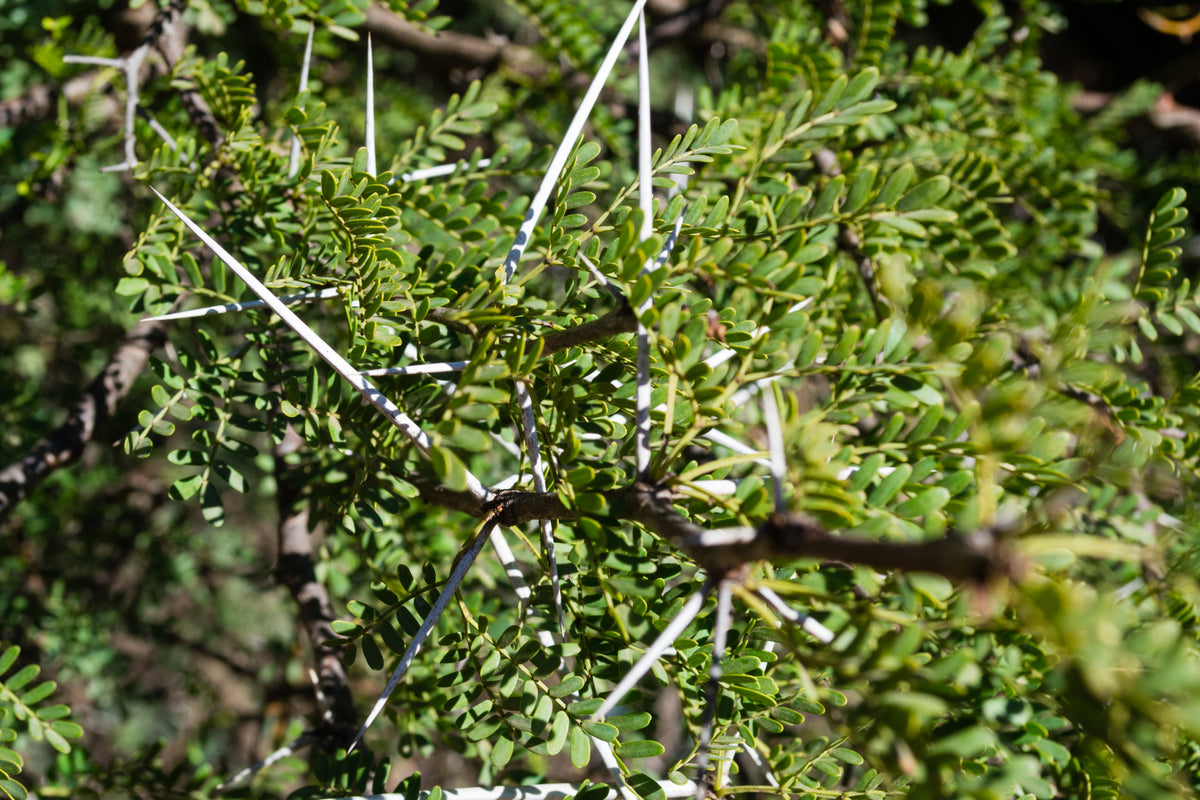
The Acacia ehrenbergiana, commonly known as the Salam Tree, is a hardy, drought-tolerant shrub or small tree native to arid and semi-arid regions of North Africa, the Middle East, and the Arabian Peninsula. Known for its slender, spiny branches, bright green feathery foliage, and small, fragrant yellow flowers, this resilient tree thrives in extreme desert conditions. Growing up to 3 to 6 metres tall, it is a vital species for desert ecosystems, providing shade, forage, and soil stabilisation.
The Salam Tree is highly valued for its ecological benefits and ability to withstand harsh climates, making it an essential plant for sustainable desert landscaping.
Specifications
- Height3 to 6 metres
- Width2 to 4 metres
- Native toNorth Africa, Middle East, Arabian Peninsula
- FoliageBright green, finely divided, feathery leaves; semi-deciduous in extreme drought
- Growth rateModerate
Conditions
- SoilPrefers well-drained, sandy, or rocky soils; tolerates nutrient-poor and saline conditions
- LightFull sun
- WaterExtremely low; thrives in minimal rainfall
- ClimateThrives in arid and semi-arid regions
Additional Features
- FlowersSmall, fragrant yellow blooms appear in clusters, typically after seasonal rains
- UsesIdeal for erosion control, reforestation, windbreaks, and as a forage plant for livestock
- SpacingPlant 2 to 4 metres apart for group plantings or windbreaks
- Low MaintenanceRequires minimal care; prune lightly to manage shape and size
- Pest ResistanceNaturally resilient to pests and diseases
- Wildlife AttractionProvides habitat and forage for birds, pollinators, and grazing animals
- Environmental BenefitsStabilises sandy soils, prevents erosion, and contributes to desert greening
- Cultural ImportanceUsed in traditional medicine and as a source of firewood
The Salam Tree is a versatile and ecologically valuable species, perfect for enhancing arid landscapes, combating desertification, and supporting biodiversity in challenging environments.
Procurement note
Availability is confirmed by project review.
Checked against destination, quantity, size, origin, preparation time and export requirements.
Quoted after review. No public retail pricing, no cart and no checkout.
Send destination, quantities, sizes, target delivery date and any substitutions allowed.