Ornatec Internationalورقة مرجعية للأنواع · ornatecinternational.com
Pinus pinea
الصنوبر الثمري
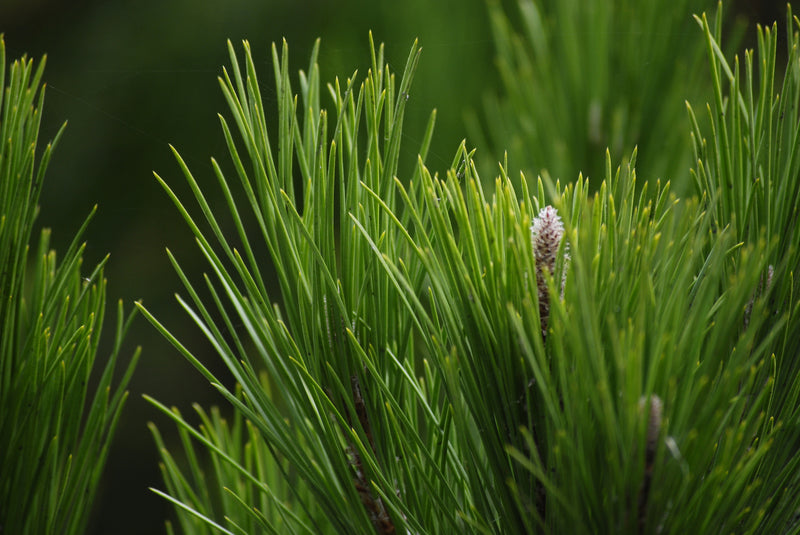
يُعد Pinus pinea، المعروف شائعاً باسم الصنوبر الحجري أو الصنوبر الحجري الإيطالي، شجرة صنوبرية دائمة الخضرة مميزة موطنها الأصلي منطقة البحر المتوسط. وتشتهر بتاجها المظلي الشكل الأيقوني، ويتراوح ارتفاعها من 12 إلى 25 متراً، مع تاج عريض مسطح ولحاء بني محمر خشن الملمس. وتُزرع هذه الشجرة على نطاق واسع من أجل حبوب الصنوبر الصالحة للأكل، وهي مكوّن أساسي في كثير من أطباق البحر المتوسط.
ويُقدَّر الصنوبر الحجري لجاذبيته الجمالية وتاجه الموفر للظل ومتانته، وهو يزدهر في نطاق من المناخات وظروف التربة.
المواصفات
- الارتفاعمن 12 إلى 25 م
- العرضمن 6 إلى 12 م (امتداد المظلة)
- الموطن الأصليمنطقة البحر المتوسط
- الأوراقأوراق طويلة نحيلة إبرية خضراء مرتبة في أزواج، ودائمة الخضرة
- معدل النموبطيء إلى معتدل
ظروف النمو
- التربةيفضل الترب الرملية أو الطميية جيدة الصرف، ويتحمل الترب الفقيرة والصخرية والقلوية قليلاً
- الإضاءةشمس كاملة
- الريمنخفض، وشديد التحمل للجفاف بعد التأسيس
- المناخيزدهر في المناطق المتوسطية والمعتدلة وشبه الاستوائية
خصائص إضافية
- المخاريط والبذورمخاريط كبيرة مستديرة تحتوي على صنوبر صالح للأكل، وتنضج على مدى ثلاث سنوات
- الاستخداماتمثالي للزراعة المميزة والحدائق العامة والحدائق الكبيرة ومصدات الرياح ومكافحة الانجراف
- التباعديُزرع على تباعد من 8 إلى 12 م للنمو المفرد أو للزراعة الجماعية
- صيانة قليلةيحتاج إلى عناية محدودة، مع تقليم عارض لإزالة الأفرع الميتة
- مقاومة الآفاتقوي التحمل مع العناية السليمة، مع مراقبة يرقات الصنوبر الزاحفة في بعض المناطق
- تحمل الجفافيؤدي جيداً في البيئات القاحلة وقليلة الاستهلاك المائي
- الأهمية الثقافية والطهويةيُعد الصنوبر مصدراً غذائياً قيّماً، والشجرة متجذرة بعمق في ثقافة البحر المتوسط
يُعد الصنوبر الحجري شجرة أنيقة وعملية تجمع بين الجمال الزيني والقيمة في الطهي والقدرة على التكيف، ما يجعله خياراً خالداً للمواقع المتوسطية والقاحلة.
التوافر بحسب مراجعة المشروع. يتم تأكيد المقاسات والكميات والمنشأ وجاهزية التصدير بعد مراجعة جدول النباتات الخاص بكم وفق الوجهة والتوقيت ومتطلبات الحجر الزراعي. معتمدون من وزارة البيئة والمياه والزراعة (MEWA) للتوريد إلى المملكة العربية السعودية؛ منشأة تصدير مسجلة في أستراليا.
للاستفسارات: sales@ornatecinternational.com
310 Donkin Rd, Utchee Creek QLD 4871, Australia
أُعدت بتاريخ 24/10/2026